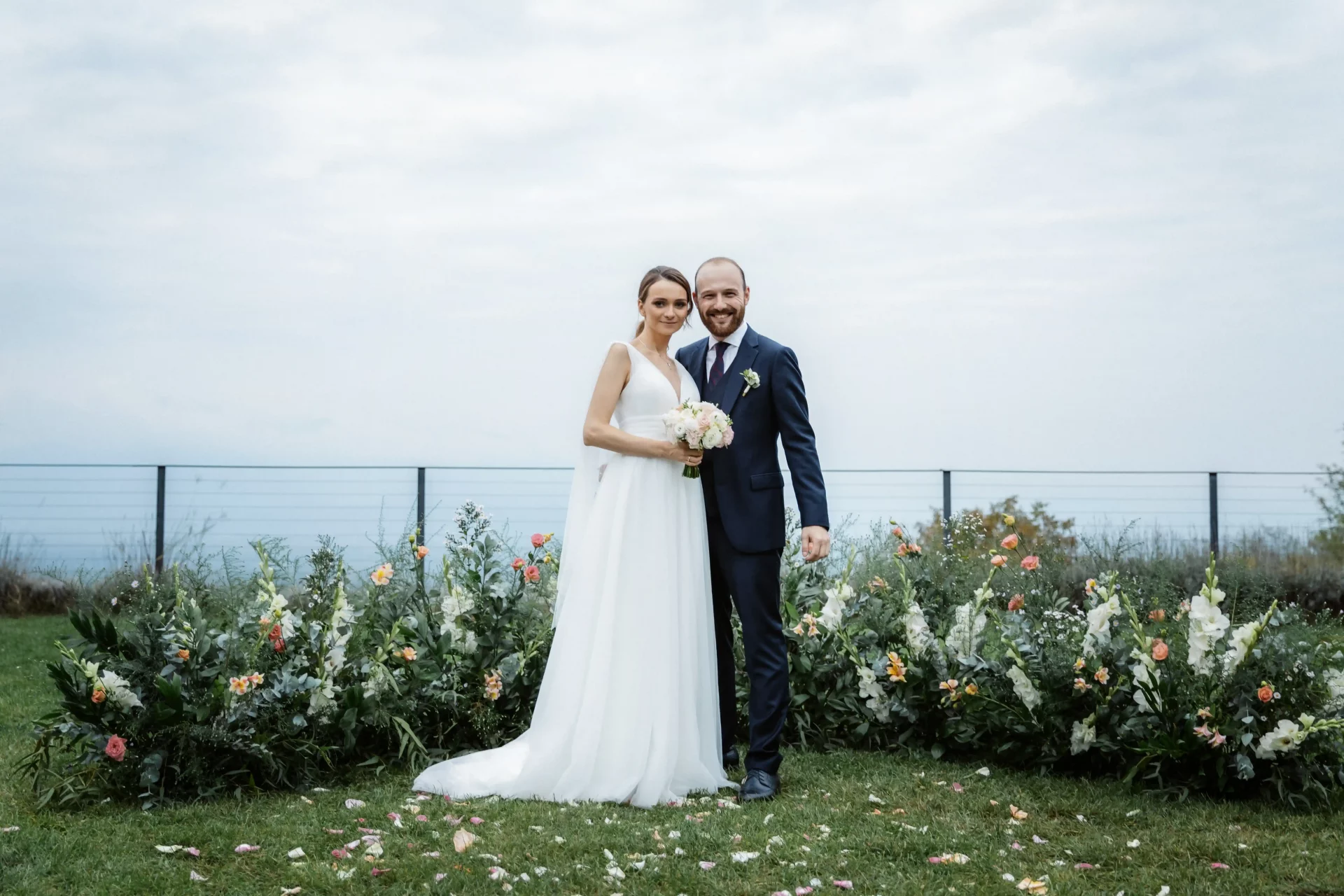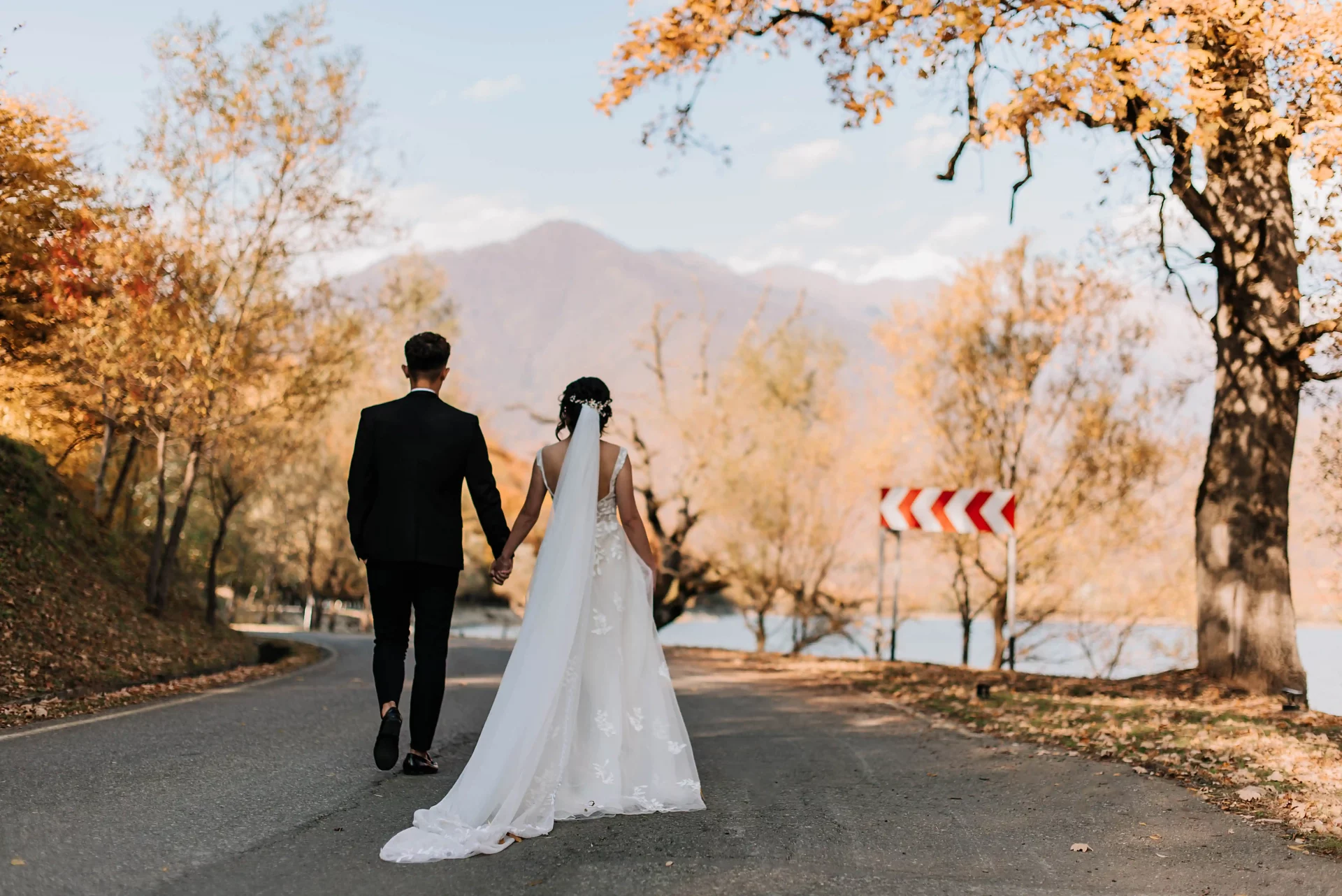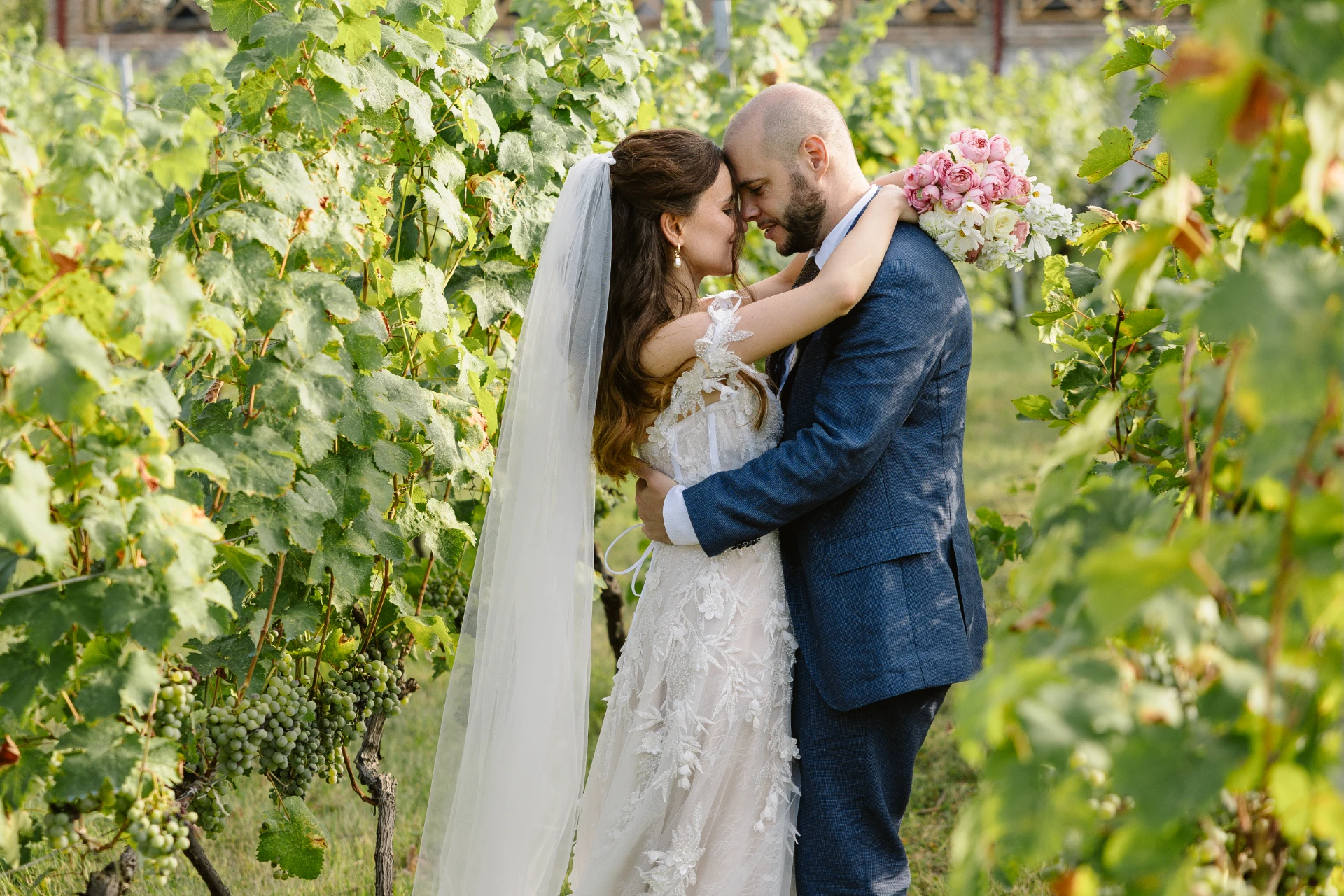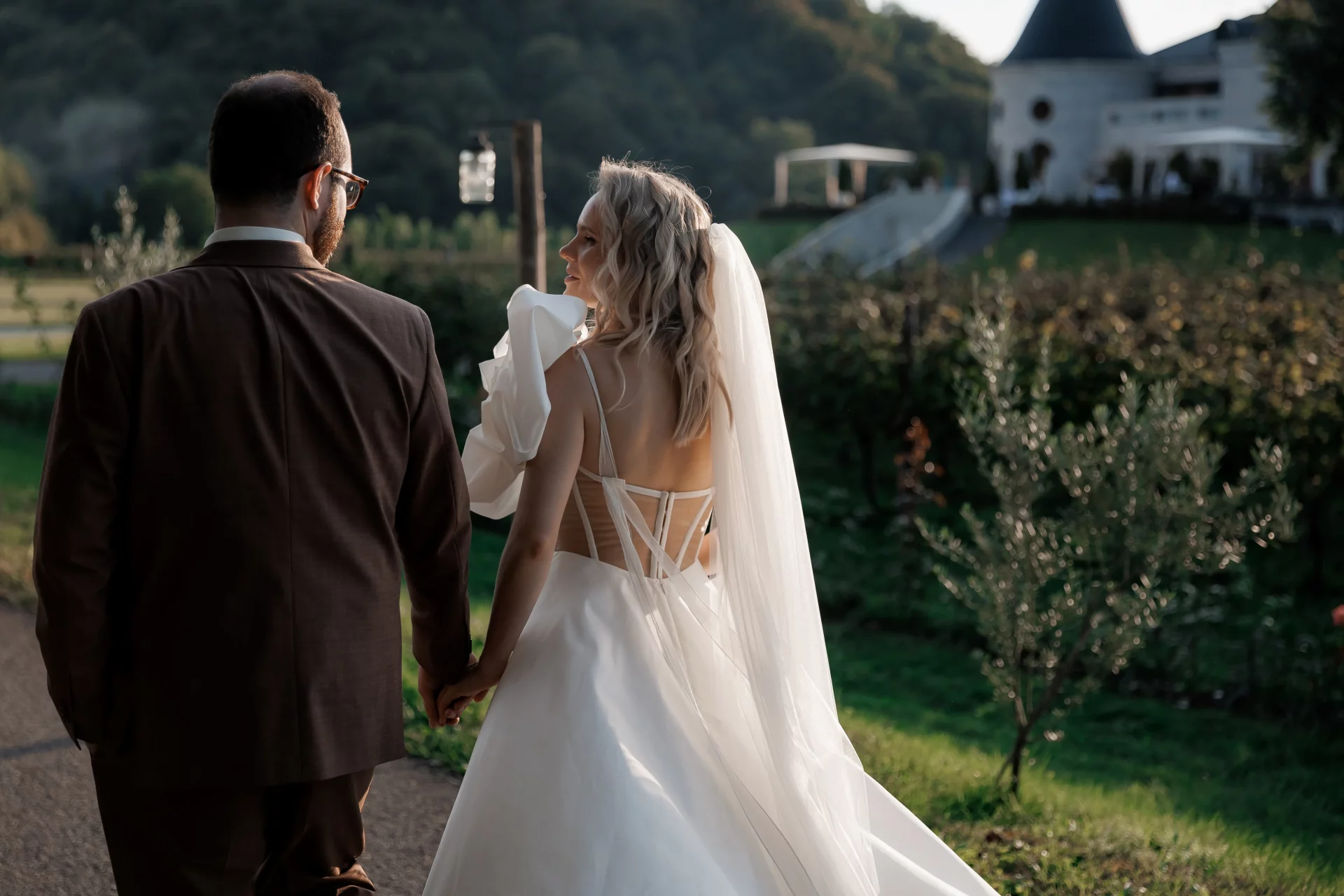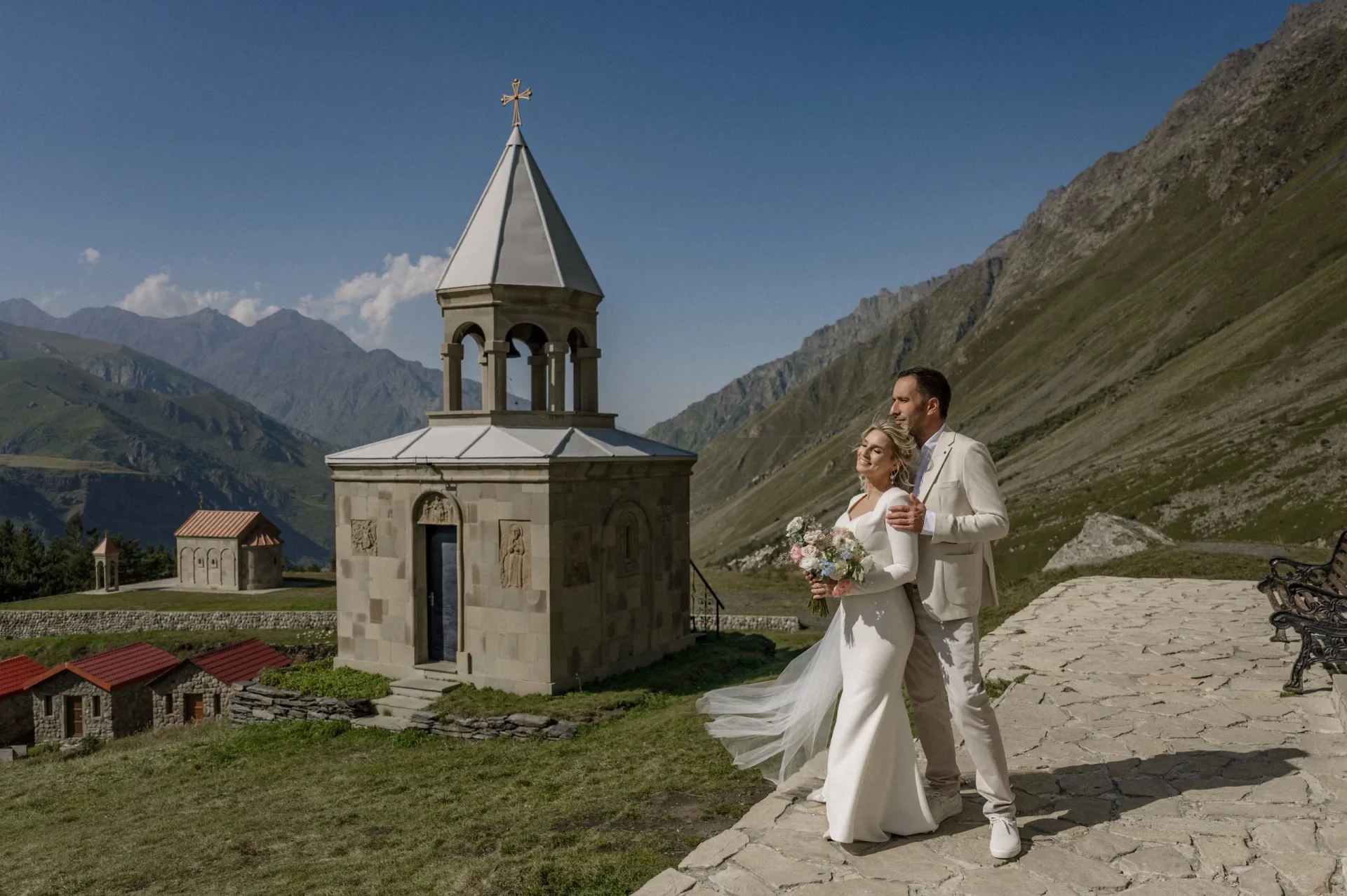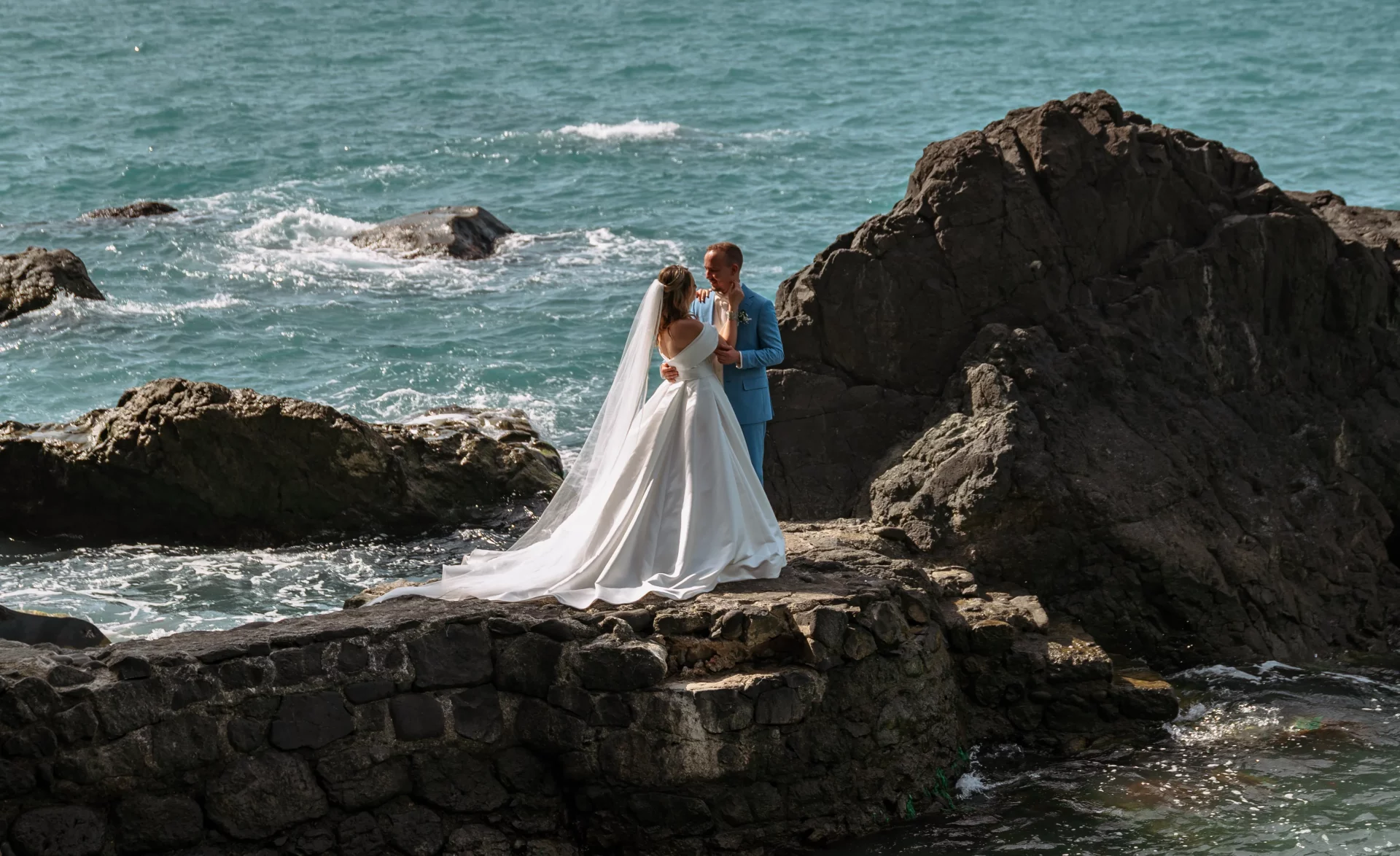



Many foreign couples dream of having a wedding in Europe. It sounds beautiful in itself: historic towns, centuries of history, the feeling of a “genuine” European ceremony, a marriage recognized within an EU country. Bulgaria often seems like a logical choice – more affordable than Switzerland or Italy, with the sea, mountains, and the prestige of European status. At the dreaming stage, everything appears simple and appealing.
But in reality, a wedding in Bulgaria for foreigners is far from a romantic postcard – it’s a precise legal procedure with strict requirements, visa limitations, and countless nuances. Working with international couples, we’ve often encountered situations where Bulgaria itself became the source of lengthy preparations, refusals, and disappointments. In this article, we’ll explore how things really work, why Bulgaria rarely ends up being the final choice, and what European wedding dream couples increasingly choose to realize… in another country.
Can foreigners get married in Bulgaria?
This is the first and most logical question foreign citizens ask when they start considering a wedding abroad: can we get officially married there? Will there be restrictions because of our nationality, lack of a residence permit, or visa?
When it comes specifically to Bulgaria, the answer is formally yes. Bulgarian law allows the registration of a civil marriage between two foreigners, even if they don’t have a residence permit in the country. From a legal perspective, the fact of foreign citizenship is not an obstacle, and at this stage, many couples feel that the question is settled and that everything will proceed smoothly.
However, it’s important to understand one thing we often encounter in practice: the possibility under the law and the actual organization of a wedding are not the same. Just because a marriage is legally permitted doesn’t mean the process will be easy, fast, or comfortable. And this is exactly when the nuances begin – details that foreign couples usually discover only during the preparation process.
What are the requirements for getting married in Bulgaria if you are foreigners?
When it comes to specific requirements, foreigners usually feel that everything seems fairly standard. Formally, the conditions do look familiar, but in Bulgaria they are applied strictly and without exceptions. That’s why it’s crucial to understand them in advance, even at the stage of choosing a country for your wedding.
Mandatory requirements for getting married in Bulgaria:
- Both partners must not have any other valid marriage; Bulgaria only allows monogamous unions.
- Both future spouses must be legally competent; if a person has a mental disorder that led to the loss of legal rights, marriage is not possible.
- Each partner must be at least 18 years old.
- Marriage is recognized only between a man and a woman; same-sex marriages have no legal force in Bulgaria.
- Both partners must give voluntary and conscious consent – forced marriage is prohibited by law.
- Each future spouse must have a valid identity document (original only).
A separate point of attention is the status of foreigners in Bulgaria. A marriage can be registered even without a residence permit, refugee status, or humanitarian status. However, there is an important nuance: if you have applied for asylum in Bulgaria and received an official refusal, you cannot get married on the territory of the country.
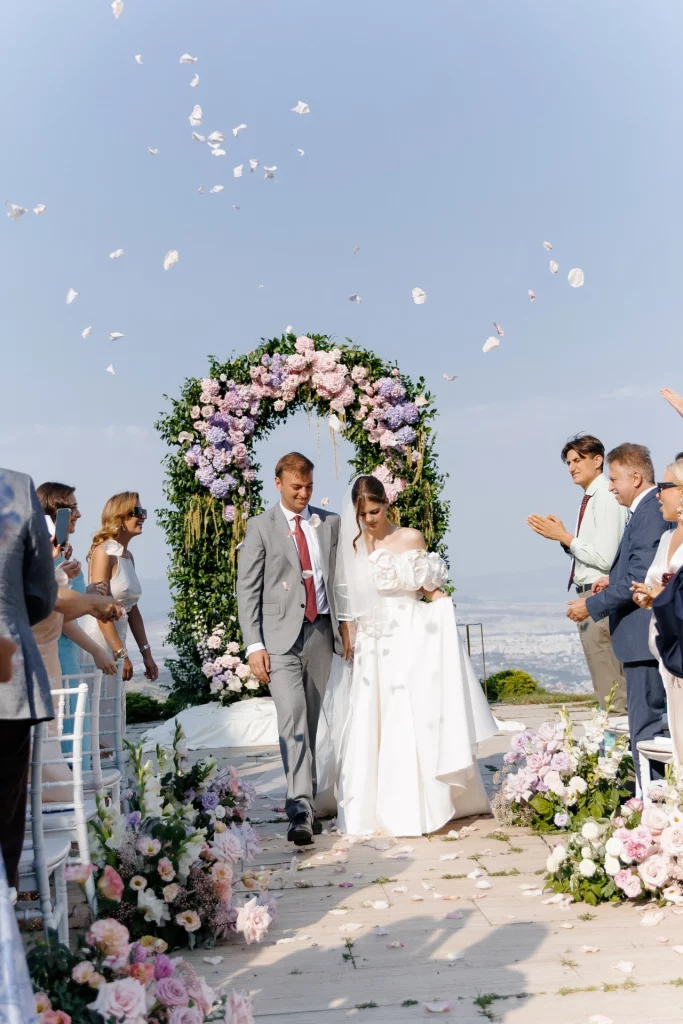
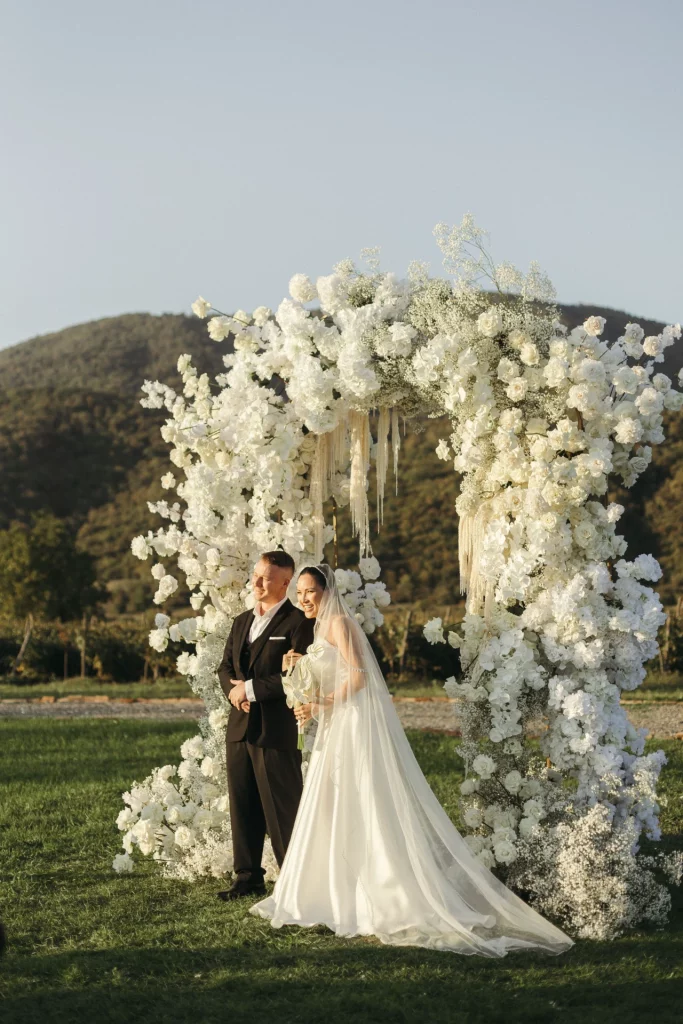
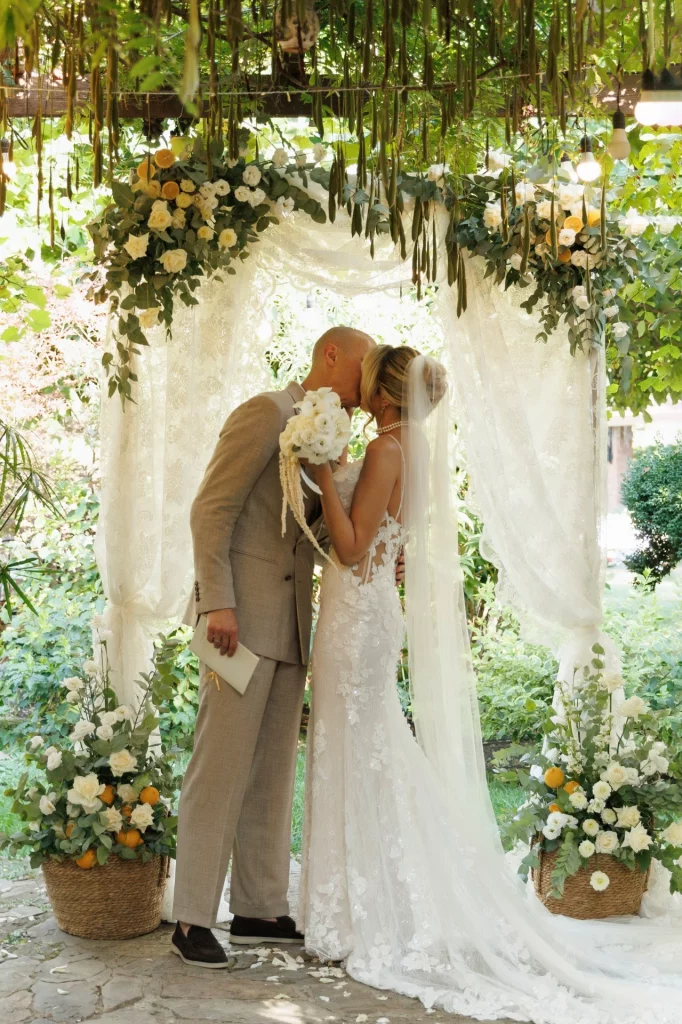
List of documents for an official marriage in Bulgaria for foreign couples
When couples reach the stage of preparing documents for a wedding in Bulgaria, it quickly becomes clear: at this stage, the “simple European country” turns into a real bureaucratic puzzle. The list is not short and may expand depending on your nationality and place of registration.
Required documents for getting married in Bulgaria for foreigners:
- Identity document. A valid national passport is required to register the marriage. A registration card for asylum seekers is not considered a standalone identity document and may only be required in addition to the passport. Only original documents are accepted – copies are not allowed.
- Declaration of no obstacles to marriage. This document is issued by the local civil registry office (marriage hall) where the ceremony is planned and must be obtained before the wedding day. Any inaccuracy or delay in processing can postpone the registration.
- Declaration of awareness of the partner’s medical conditions. Also issued in the marriage hall in advance. Despite seeming simple, this requirement demands careful attention and preparation of documents ahead of time.
- Medical certificate. A mandatory document issued after a premarital medical examination. The examination can be conducted at any clinic in Bulgaria, but it is crucial to meet all deadlines; otherwise, the certificate loses its legal validity.
- Documents regarding previous marriages. If either partner was previously married, either a final court decision on divorce or a death certificate in the case of widowhood is required. Without these documents, marriage registration is impossible.
- Document confirming marital status. Issued by the embassy of the country of origin and valid for only six months. It must be translated and notarized in Bulgarian. For individuals with humanitarian status or refugees, an alternative form is possible – a notarized declaration of marital status.
- Certificate of recognition of marriage under national law. Confirms that the national law of the country of origin does not prohibit the marriage. Issued through the embassy and requires translation and official notarization in Bulgarian. If there are legal obstacles under national law, it is not possible to legally marry in Bulgaria.
Even with a complete set of documents, foreign couples often encounter additional requirements from municipalities: strict deadlines for certificates, specific translation formats, and the need for constant oversight of the process. It is at this stage that many foreigners start looking for countries abroad where getting married is easier.
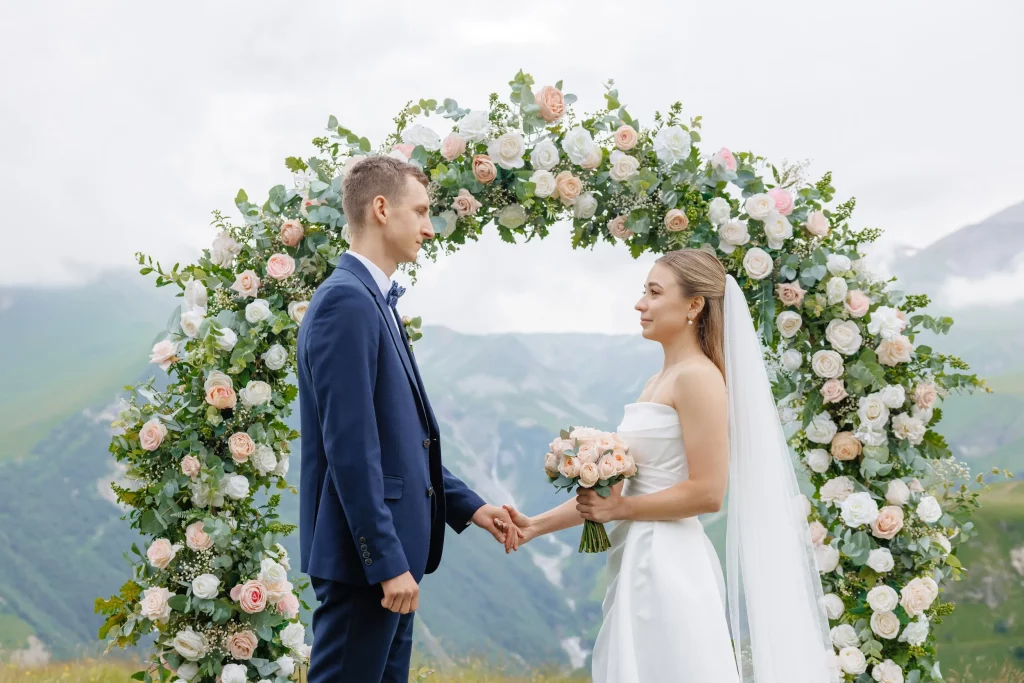
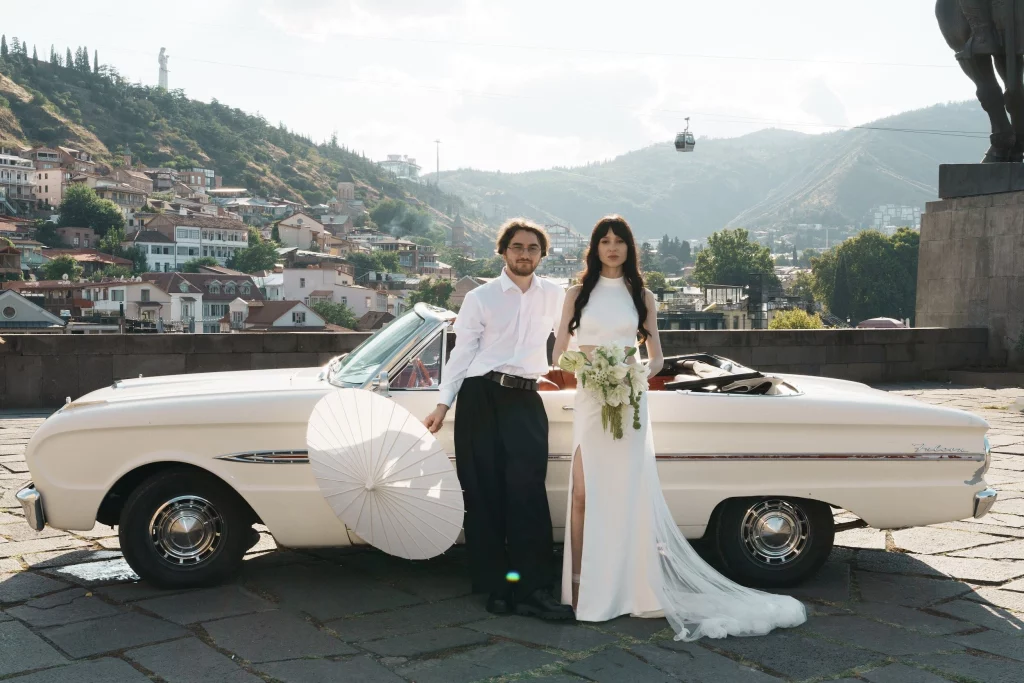
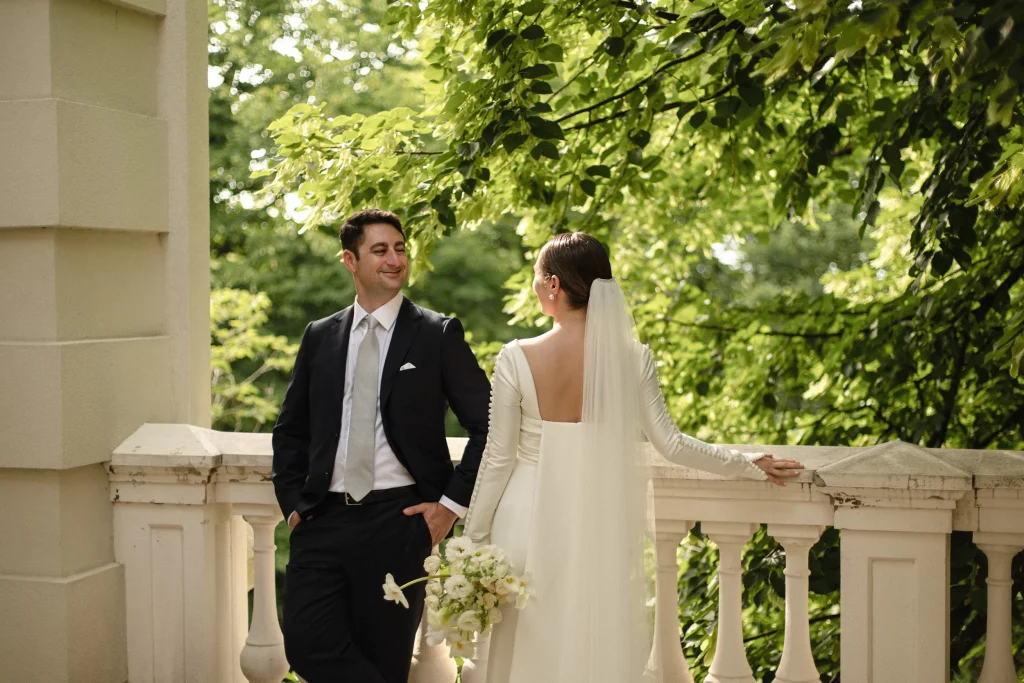
Stages of marriage registration in Bulgaria for foreign citizens
Getting married in Bulgaria for foreign couples is a process that requires attention, strict adherence to rules, and sequential completion of all steps. Here’s how the procedure works:
- Visiting the civil registrar. Once all documents are collected and the necessary conditions are met, the couple sets a date for the public ceremony. Registrars can be found in any municipality, usually at the local marriage hall. However, it’s important to remember that without precise compliance with deadlines and proper document preparation, registration may be refused.
- Choosing the civil registry office. Foreigners are free to choose the region and registry office for their marriage. But for asylum seekers, there is a restriction: they cannot leave the area specified in their registration card, as this may result in detention.
- Submitting documents. On the day of registration, all identity documents, and if necessary, the registration card, must be presented. The registrar checks the accuracy of information: name, age, nationality, and validity of the documents. Any discrepancy can lead to the ceremony being postponed.
- Witnesses. Two witnesses are required to register the marriage. They can be either Bulgarian citizens or foreigners. Without them, the procedure cannot take place.
- Ceremony and documentation. If all documents are in order and there are no obstacles, the ceremony can be held. Afterward, the civil marriage act is signed by both partners, the two witnesses, and the registrar.
After all procedures are completed, the newlyweds receive the official Certificate of Civil Marriage. However, it’s important to note that even with a full set of documents and proper preparation, bureaucratic nuances can cause delays and stress, especially for foreigners experiencing the Bulgarian registration system for the first time.
Why foreigners rarely choose Bulgaria for a wedding
At first glance, Bulgaria seems like an attractive country for a European wedding, but for foreign couples, the process often turns into a bureaucratic trap. The main issue is legal entry: citizens of the USA, Canada, and Australia do not need a visa, but for most other countries – including Russia, India, China, and African nations – a visa is required. At the same time, Bulgarian law does not have a specific visa category for those coming to get married, and the only legal option is a short-term C visa, which requires declaring a “private visit.”
Even with proper document preparation, Schengen visa refusals are quite common. Foreigners may have the purpose of their visit questioned, the validity of certificates doubted, or the compliance of their documents with municipal requirements challenged. After a refusal, the chances of obtaining a long-term visa decrease significantly, and appealing in court is a lengthy and stressful process, adding uncertainty and anxiety to wedding preparations.
All these difficulties make organizing a wedding in Bulgaria risky and stressful for foreigners and their guests. It’s no surprise that many couples look for simpler and more reliable destinations, where marriage registration proceeds without constant oversight or bureaucratic hurdles, and the ceremony itself becomes a joyful and calm event.
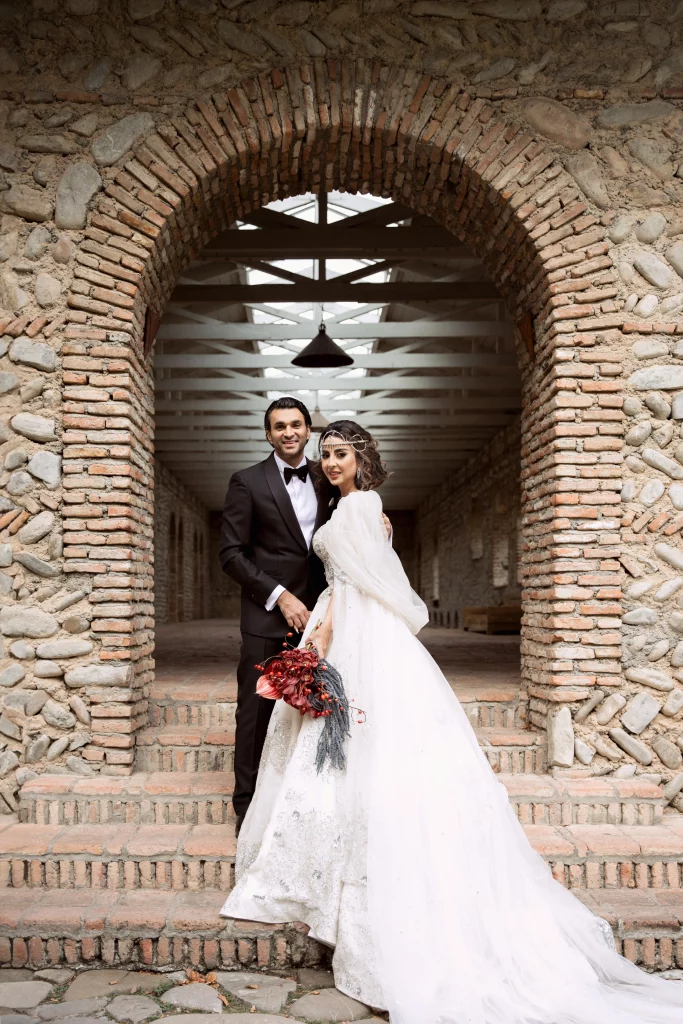
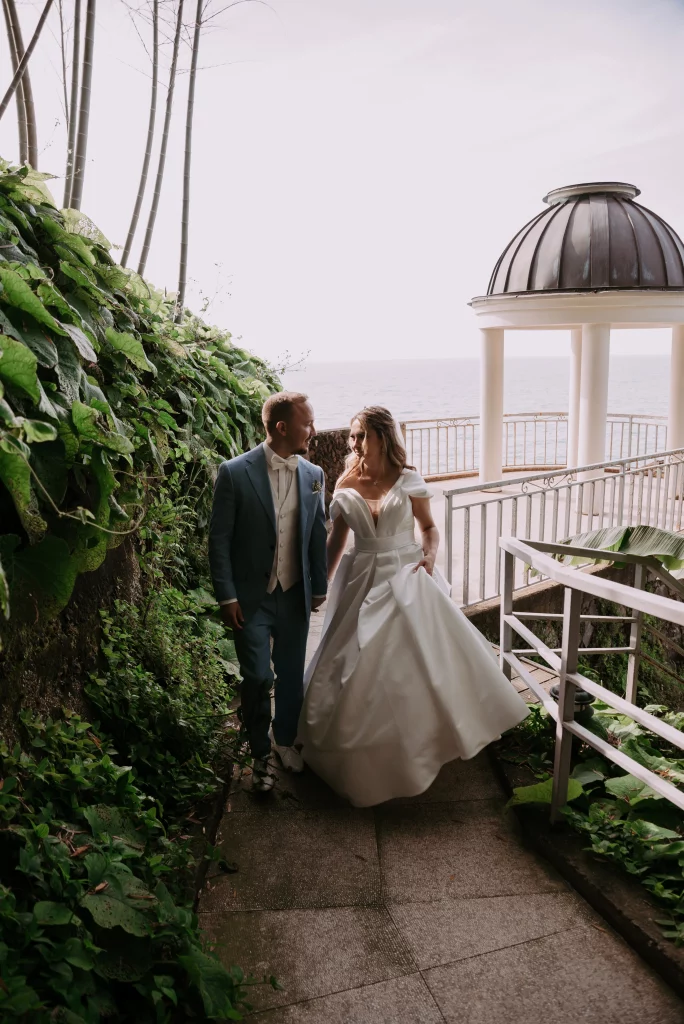
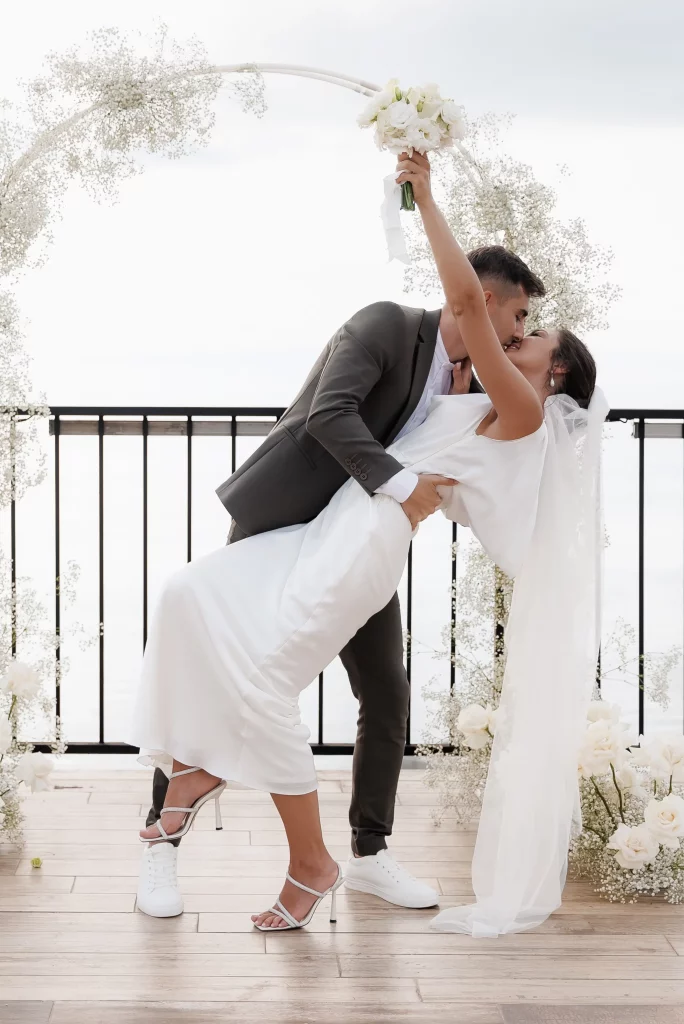
Georgia as a better alternative to Bulgaria for a wedding
If Bulgaria seems complicated and problematic, Georgia is perceived as a true wedding fairy tale for foreigners. First, citizens of most European countries, the USA, Canada, Australia, Asia, and many other states do not require a visa – couples can simply arrive and enjoy their wedding preparations. Second, the marriage registration process is incredibly fast: a civil marriage arranged with the help of our agency takes only 24 hours, requiring a minimum of documents.
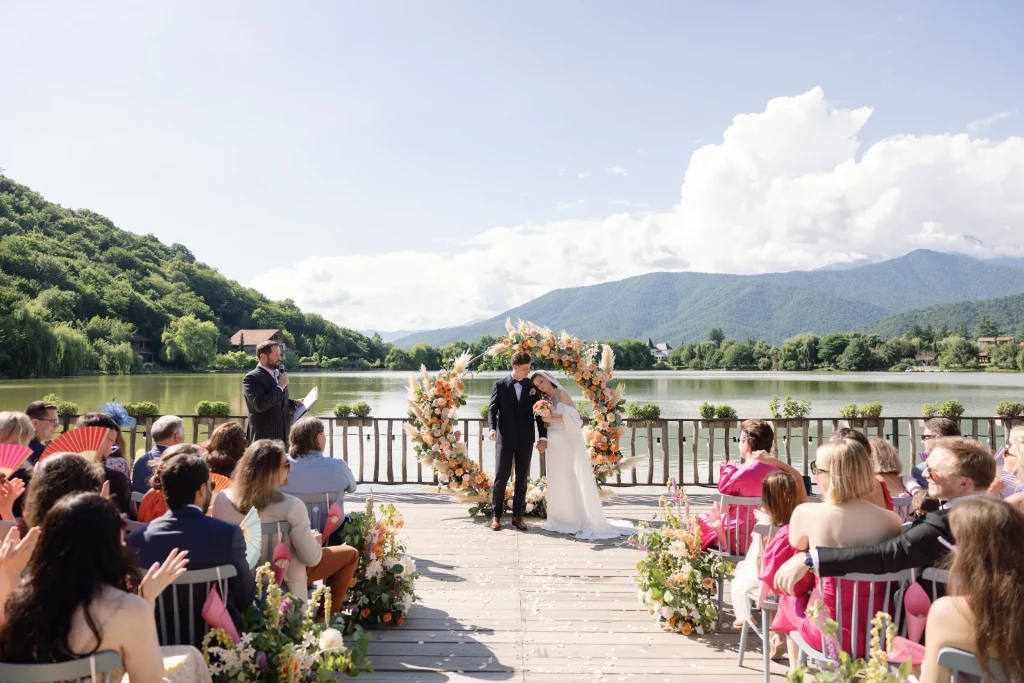
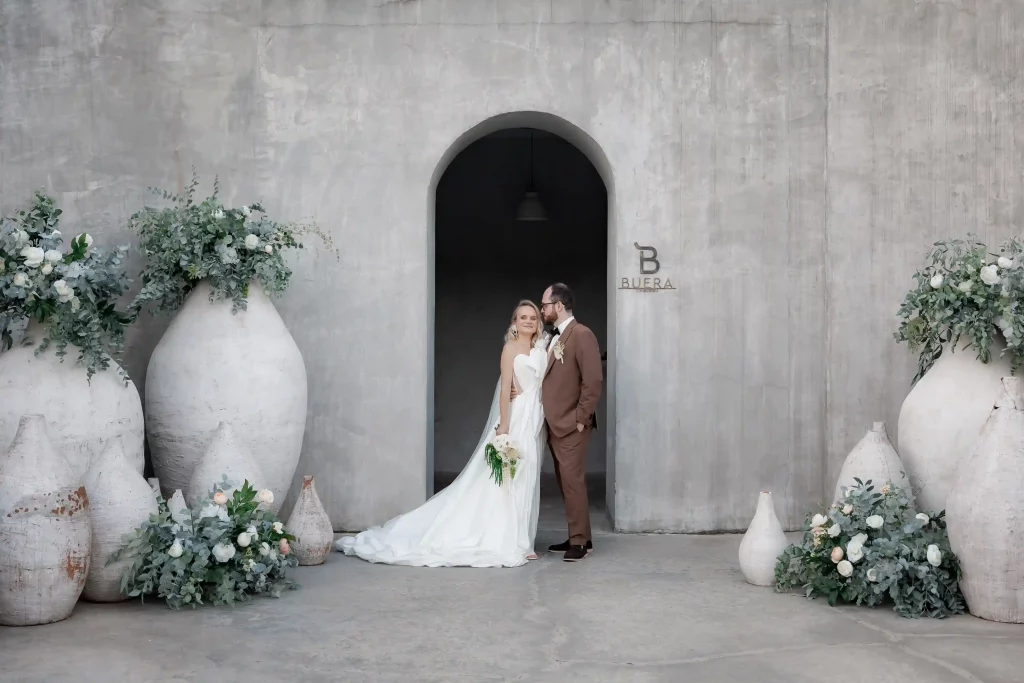
Georgia offers a vast array of stunning locations for ceremonies: historic wineries, picturesque mountain panoramas, luxurious hotels, and cozy estates. The country’s wedding industry is fully developed, with experienced planners, decorators, photographers, videographers, florists, and hosts ready to take care of everything so that the couple can enjoy the celebration stress-free. At the same time, the cost of wedding services remains affordable, making a wedding in Georgia a cost-effective choice without compromising quality or aesthetics.
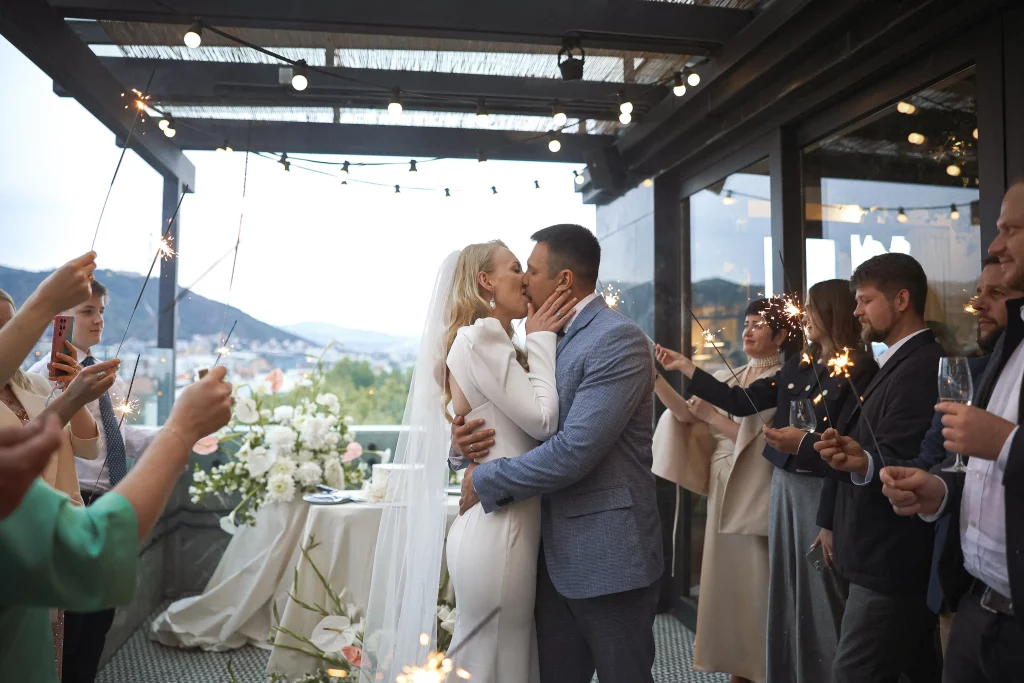
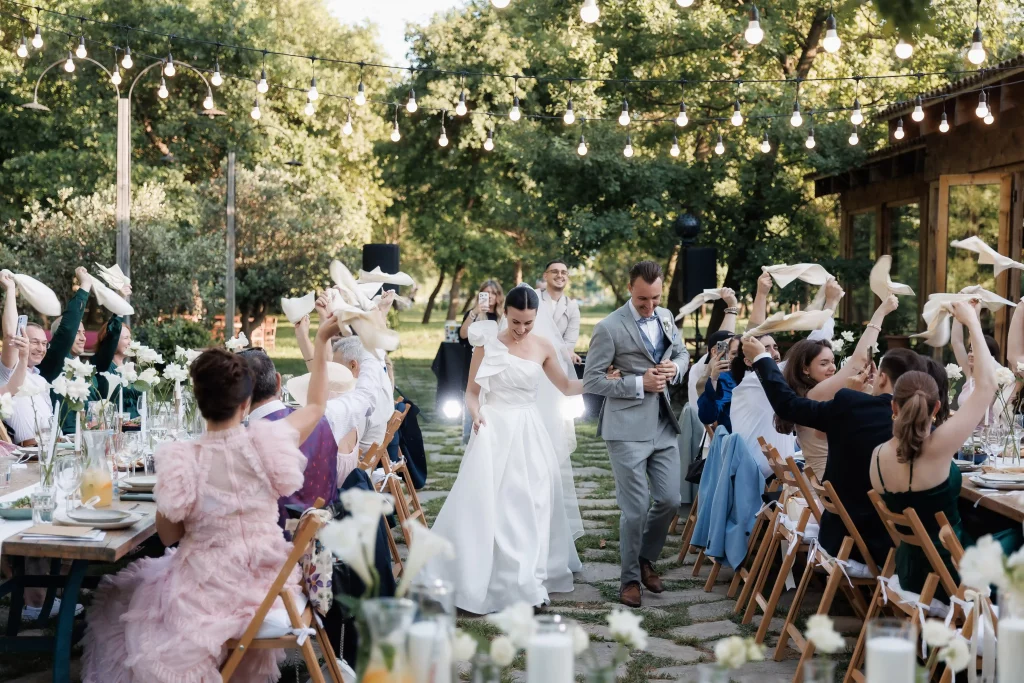
Bulgaria vs Georgia: where should foreigners get married
| Bulgaria | Georgia | |
| Visa for foreigners | Often required, frequent refusals | Not required for most countries |
| Marriage registration time | Often several days or weeks | 24 hours |
| Number of documents | Many, strict requirements | Minimal documents, no complicated bureaucracy |
| Ceremony locations | Limited, often standard | Huge variety |
| Cost of wedding services | Medium to high | Affordable with high-quality service |
| Recognition of marriage | International, but visa issues possible | Certificate recognized worldwide |
| Service and industry | Partially developed | Fully developed, experienced agencies and vendors |
Georgia truly offers comfort, safety, and beauty that you can only dream of when planning a wedding abroad. Of course, the choice is yours – you can always try to navigate Bulgaria’s bureaucracy. But is it worth struggling with all the complications when there’s such an amazing country like Georgia?
If you want a wedding that is easy, beautiful, and stress-free, get in touch with the Shu Wedding agency team. We will guide you through all the nuances, show the best locations, and convince you that Georgia is the perfect choice for foreign couples, more than any other country in Europe.
We recommend
We organize weddings in Georgia , for any budget and wishes. With us, you won't have to think about how to organize your event or what documents you'll need. Georgia has simple laws and quick administrative resources, all you need for your dream wedding is your passports, we do the rest for you.