


Planning a wedding, many couples genuinely believe that organizing everything themselves is not only an exciting personal project but also a great way to save money. At Shu Wedding, we regularly see the opposite reality: couples come to us halfway through the planning process after spending weeks searching for venues, exchanging countless messages with vendors, and trying to navigate local legal requirements on their own. Having worked with international couples for many years, we’ve experienced both scenarios firsthand and know exactly when the DIY approach works beautifully – and when it inevitably turns wedding planning into a marathon of constant stress.
Let’s be honest: not every wedding truly requires a wedding planner. If you’re simply planning to register your marriage in your hometown and celebrate with an intimate dinner for two, organizing everything yourself can be both enjoyable and rewarding. But where is the point at which professional support becomes the key to a stress-free experience? Let’s explore five essential questions that will help you objectively assess your resources, understand the potential challenges, and choose the planning approach that best suits your wedding.
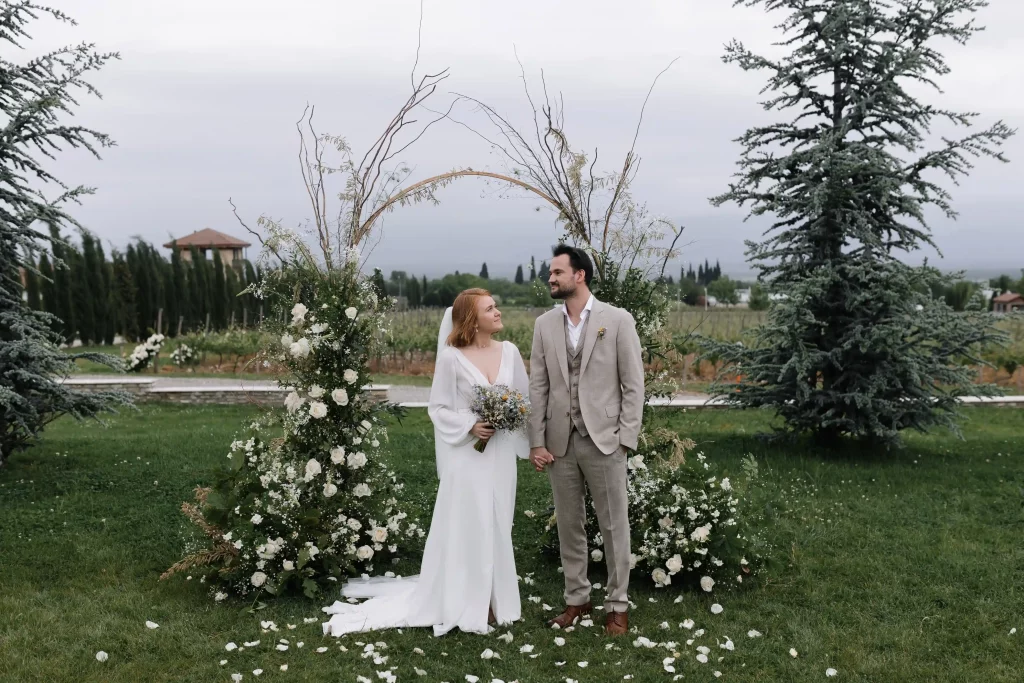
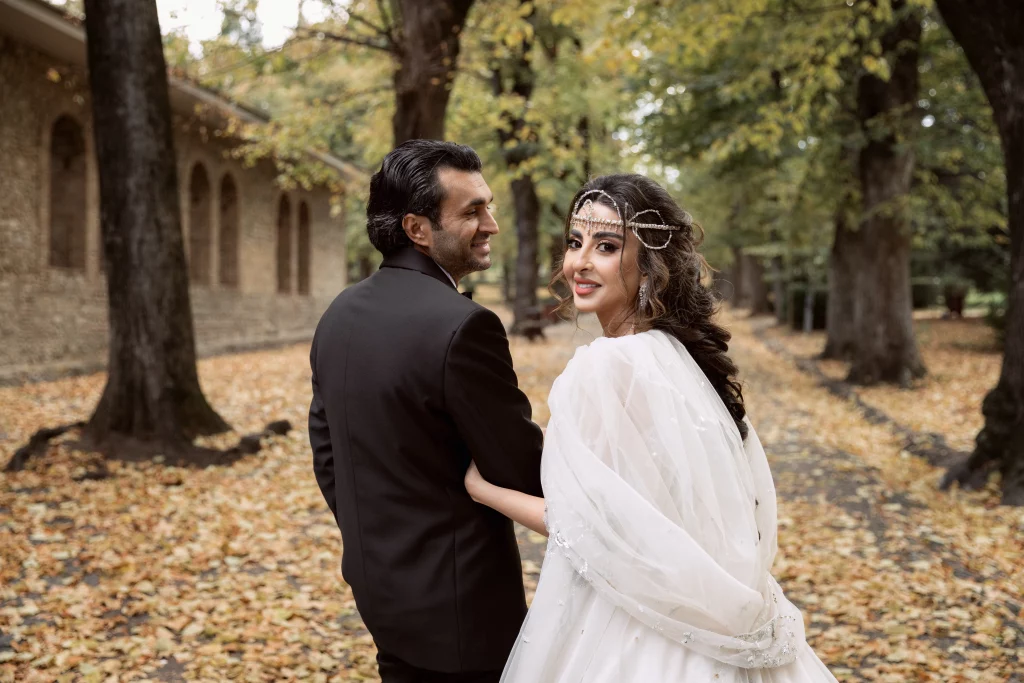
5 questions to help you decide whether you need a wedding planner or can organize everything yourself
To make an informed decision – and avoid second-guessing it a week before your wedding – ask yourself these five simple questions. They will help you realistically evaluate the scope of the planning process, your available time and resources, and the potential risks involved.
1. How many guests will be at your wedding?
The size of your guest list has a direct impact on the complexity of planning. And it’s not just about the scale of the celebration – it’s about the number of moving parts that need to be managed at the same time.
If you’re planning an intimate ceremony for just the two of you or a small celebration with your closest family and friends, organizing the wedding yourself can be a comfortable and realistic option. Finding a photographer and reserving a restaurant is much easier when you’re planning for two to five people.
A wedding with 30–50 guests – or especially 80–100 guests – is a completely different story. Suddenly, you need to coordinate transportation, accommodation, multiple vendors, the wedding-day timeline, seating arrangements, venue logistics, technical equipment, restaurant coordination, and dozens of other details. Even a minor oversight can affect many people and disrupt the overall experience.
That’s why larger weddings are typically entrusted to professional wedding planners. While the planning team manages dozens of moving pieces behind the scenes, the couple can focus on what truly matters – being fully present and enjoying their wedding day instead of dealing with last-minute logistics.
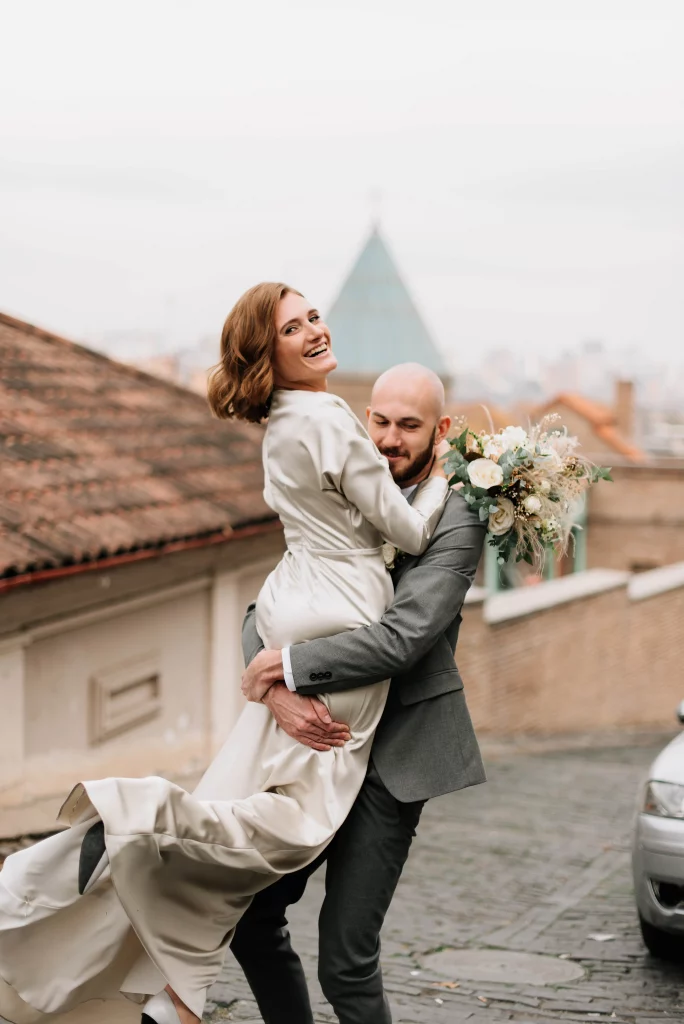
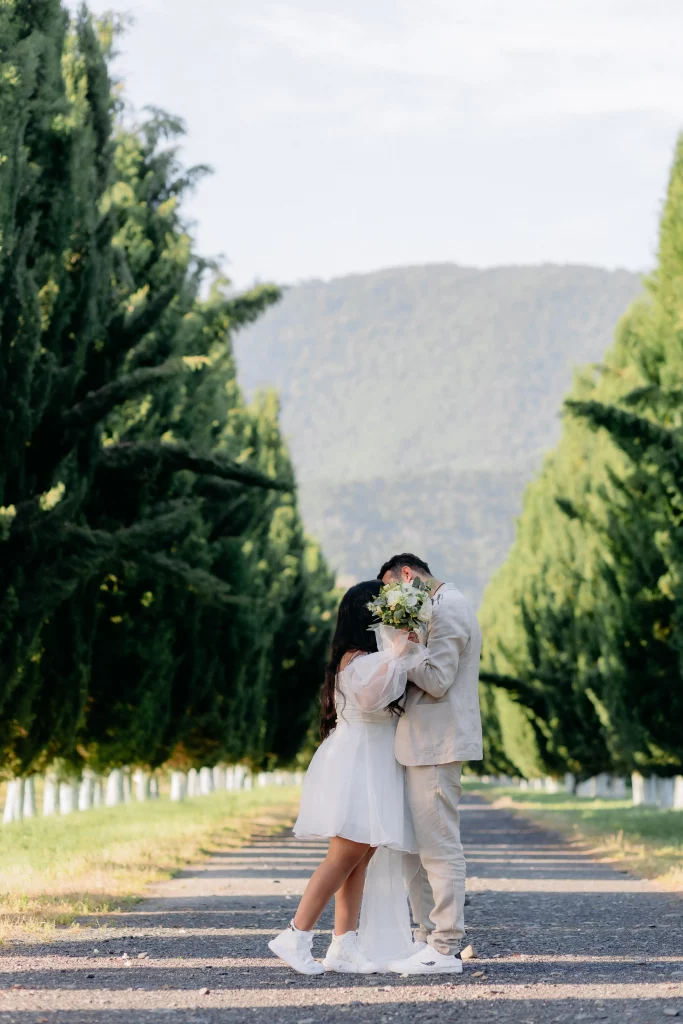
2. What is your wedding budget?
There’s a common misconception that hiring a wedding planner is an unnecessary expense that can easily be eliminated by organizing everything yourself. In reality, the financial picture is often quite different.
- A tightly limited budget: If your plan is simply to legally marry, have a beautiful photo session, and enjoy an intimate dinner together, a planner’s fee may indeed represent a significant portion of your overall budget. In this case, it often makes more sense to invest in an experienced photographer and professional makeup artist while handling the planning yourself.
- A medium or high budget: The more you’re investing in your wedding, the more expensive mistakes become. Booking venues and vendors independently often leads to hidden costs, inaccurate budget estimates, and financial losses caused by unclear contracts or overlooked terms. A professional wedding planner helps structure your budget, optimize logistics, protect you from unnecessary markups within the local wedding industry, and identify where you can reduce costs without compromising quality – and where cutting corners is likely to create bigger problems.
3. What kind of wedding are you dreaming of?
Ask yourself one honest question: what does your dream wedding actually look like? The style and scale of your celebration will largely determine whether planning it yourself is realistic or whether professional guidance will make all the difference.
If you’re envisioning an intimate ceremony for just the two of you, followed by a photo session and a celebratory dinner, the planning process is unlikely to require complex coordination. With enough time and enthusiasm, organizing everything yourself can be an enjoyable and practical choice.
However, if you’re dreaming of an outdoor ceremony in the mountains, a wedding dinner for dozens of guests, live music, custom décor, floral design, an MC, guest transportation, entertainment, and a carefully orchestrated wedding day, the number of moving parts increases dramatically. It’s not enough to simply hire reliable vendors – you also need to ensure they work together seamlessly and that every element comes together at exactly the right moment.
The more personalized and elaborate your wedding vision is, the more experience, local knowledge, and time will be required to bring it to life. For celebrations like these, working with a professional wedding planner is not a luxury – it’s the most effective way to turn your vision into reality without unnecessary stress.
4. Who are you, and what are your strengths?
Planning a wedding is a complex, multi-layered project. Creating a beautiful Pinterest board is only the beginning. In reality, you’ll need to take on the roles of producer, project manager, crisis coordinator, and even legal advisor – keeping the timeline on track, managing the budget, and solving unexpected problems as they arise.
- When the DIY approach really works: Planning your own wedding is a realistic option if you already have experience in event management, production, or leading complex projects. You think systematically, negotiate confidently, document agreements carefully, and stay calm when things don’t go according to plan. Most importantly, you need to have enough time. Wedding planning typically requires 10–15 hours of focused work each week, and during the final month before the wedding, it often becomes a full-time job alongside your regular one. If you have both the skills and the availability, you can absolutely make it work.
- When it’s best to hire professionals: If you’ve never managed a large-scale event, already have a demanding work schedule, or find it difficult to cope with uncertainty and last-minute changes, professional support is well worth considering. More importantly, think about your wedding day itself. Do you really want to spend it in your wedding dress or suit coordinating décor deliveries, calling late vendors, and resolving catering issues? When you hire a wedding planner, you’re not simply paying for a list of contacts – you’re investing in professional risk management. The planning team takes responsibility for every logistical detail, allowing you to enjoy your wedding as the stars of the celebration rather than exhausted coordinators carrying radios and putting out fires.
5. Where will your wedding take place?
This is arguably the single most important question because it can completely outweigh the previous four. The location of your wedding changes the planning process entirely.
- A wedding in your hometown: If you’re celebrating where you live, the DIY approach is much more realistic. You speak the same language as your vendors, know the local venues, understand the culture, and have a sense of standard pricing. If something goes wrong, you can usually rely on friends, family, or trusted local recommendations. You’re working in familiar territory.
- A destination wedding (for example, in Georgia): Planning a wedding abroad is a completely different experience. In our experience, attempting to organize an international wedding without local support is successful only in rare cases. Even straightforward tasks become significantly more challenging from a distance.
- Language and cultural differences: Not every local vendor speaks your language fluently or works according to the service standards you’re accustomed to. Georgian hospitality is exceptional, but local business practices, communication styles, and timelines may differ considerably. Without someone on the ground to oversee the process, misunderstandings can easily lead to costly delays.
- Legal and administrative requirements: Document translation and notarization, submitting paperwork to the Public Service Hall, obtaining legalization or an apostille for your country of residence – one mistake in the documents or one missed deadline may create serious complications when recognizing your marriage at home.
- Managing everything remotely: You can’t simply visit the venue to test the sound system, inspect guest accommodations, or sample the wedding menu in person. Every decision depends on trust and accurate local coordination.
Based on our years of experience, couples who attempt to organize a destination wedding entirely on their own often reach the same conclusion: a few weeks – or even days – before departure, they urgently begin searching for a wedding planner willing to take over a last-minute project and rescue the celebration. Instead of paying extra for emergency planning and redoing months of work, it’s usually far more practical to work with a local team from the very beginning – professionals who know the destination, understand the legal requirements, and manage every detail on your behalf.

If you decide to hire a wedding planner, how do you find the right one?
Let’s say you’ve answered the five questions above and reached a clear conclusion: planning the wedding yourself would be overwhelming, and you’d rather have an experienced team by your side. The next question is how to choose the right wedding planner from the many agencies available – and confidently entrust them with one of the most important days of your life.
The best search strategy depends largely on where your wedding will take place.
- For a wedding in your hometown: Word-of-mouth recommendations remain one of the most reliable resources. Talk to friends who recently got married, browse reviews in local wedding communities, and ask photographers, florists, or MCs for recommendations. When you’re planning locally, it’s much easier to verify an agency’s reputation firsthand.
- For a destination wedding: Personal recommendations alone are rarely enough. Your best starting point is Google and social media. However, it’s important to look beyond polished marketing and carefully evaluate whether you’re dealing with an experienced local planner or simply an intermediary with an attractive online presence.
What to look for when choosing a wedding planner abroad
- A professional website and expert content. A reputable agency is transparent about its work. Its website should feature real weddings rather than generic stock photos, detailed service descriptions, clear explanations of the planning process, and helpful resources for couples. An informative, regularly updated website is often a strong sign that the team has genuine expertise and deep knowledge of the local market.
- Active social media and a diverse portfolio. Pay attention to behind-the-scenes content showing venue setups, coordination on the wedding day, and the team’s work in action. Also look for variety. If every wedding looks identical, it’s unlikely the agency offers a truly personalized approach.
- Transparent pricing and budgeting. Professional planners don’t quote arbitrary numbers. They should clearly explain how your wedding budget is structured, what services are included in the planning fee, and which costs are paid directly to vendors without hidden markups. Transparency at this stage usually reflects transparency throughout the entire planning process.
- Your first interaction with the team. Send an inquiry or schedule a call. How quickly do they respond? Are their answers thoughtful, detailed, and genuinely helpful? Do they ask questions about your vision, priorities, and expectations? If the conversation immediately turns into a sales pitch for a standard package without taking the time to understand your plans, consider it a warning sign.
- Local presence and legal reliability. For a destination wedding, your planner should have an established presence in the country where you’ll be getting married. They should operate as a legitimate business and provide a clear contract outlining responsibilities, payment terms, and procedures for handling unexpected situations.
Choosing a wedding planner abroad is ultimately about trust. The right team is far more than a vendor – they become your local partner, handling legal requirements, overcoming language barriers, coordinating logistics, and managing every detail behind the scenes so you can focus on enjoying your wedding.
If you’re planning a wedding in Georgia and want every step – from submitting your documents to the Public Service Hall to raising the final toast at your reception – to be seamless and stress-free, the Shu Wedding team is here to help. We know Georgia inside and out, have extensive experience planning weddings for international couples, and specialize in turning even the most ambitious ideas into beautifully executed celebrations. Share your vision with us, and we’ll help you create a unique wedding concept while preparing a realistic, transparent budget for your special day.
We recommend
We organize weddings in Georgia , for any budget and wishes. With us, you won't have to think about how to organize your event or what documents you'll need. Georgia has simple laws and quick administrative resources, all you need for your dream wedding is your passports, we do the rest for you.